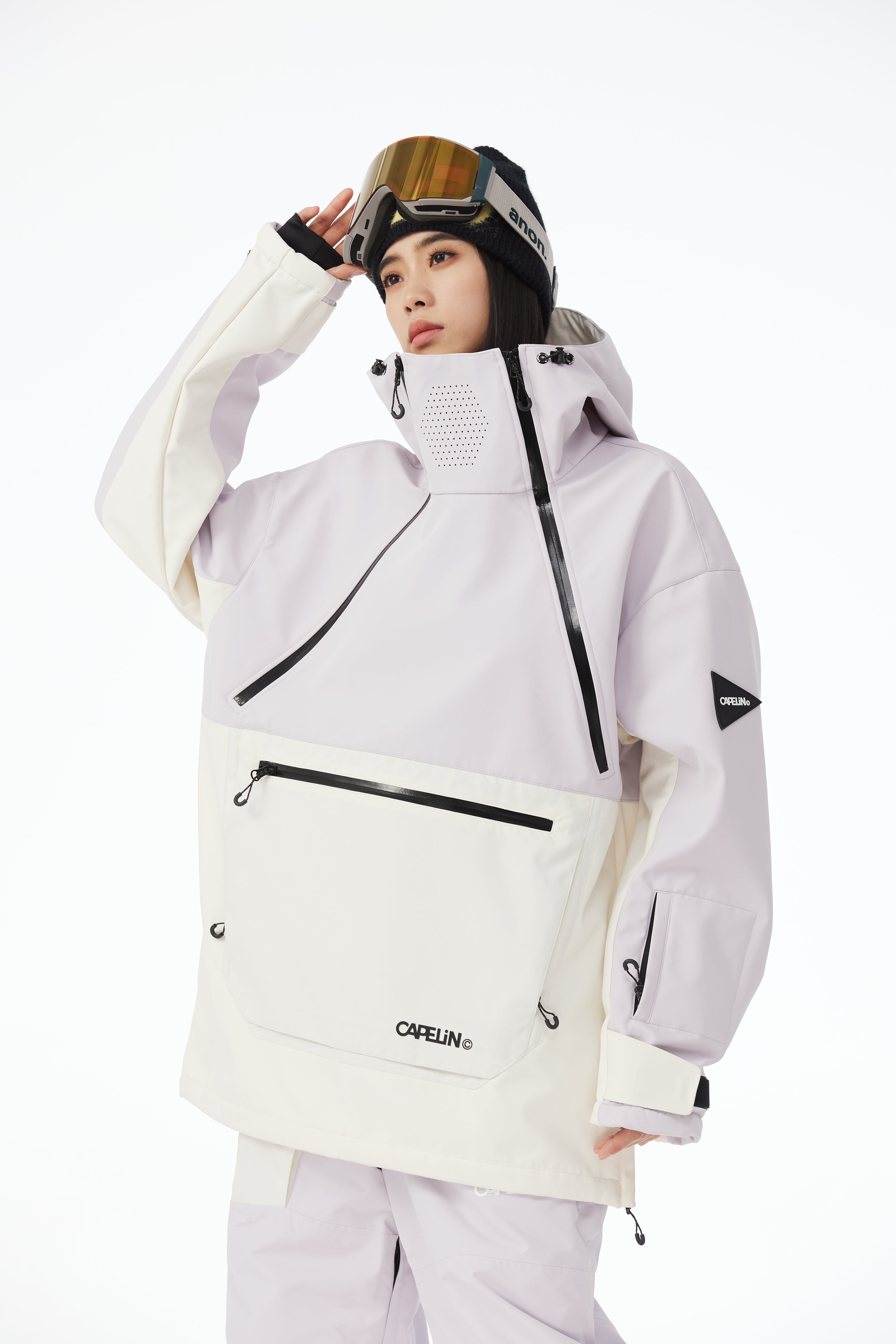
Yes — skiing in Australia is absolutely worth it. The country is home to some of the Southern Hemisphere's finest alpine resorts, a snow season that runs from June to October, and terrain that suits every level from total beginners to seasoned powder-chasers. The catch? Australia's alpine climate is uniquely challenging — and arriving without the right gear is the fastest way to cut a brilliant trip short.
Ask most people outside Australia whether the country has ski resorts, and they'll pause. Australia conjures up images of Bondi Beach, red deserts, and kangaroos — not chairlifts and freshly groomed corduroy. But tucked away in the Great Dividing Range across New South Wales and Victoria lies a legitimate alpine region that welcomes around 1.2 million skiers and snowboarders every single year.
This guide covers the four major resorts, the quirks of the Aussie snow season you genuinely need to understand, and — most importantly — a no-nonsense breakdown of what to wear so you're protected, comfortable, and looking sharp from first chair to après.
🔽 Quick Navigation
- 📌 The Australian Snow Season at a Glance
- 📌 The Four Resorts You Should Know
- 📌 Perisher
- 📌 Thredbo
- 📌 Falls Creek
- 📌 Mt Buller
- 📌 What Makes Dressing for the Aussie Snow Different
- 📌 Practical Tips for Your First Aussie Snow Trip
- 🧭 The Bottom Line
- ❓FAQ
The Australian Snow Season at a Glance

The official ski season typically opens on the Queen's/King's Birthday long weekend in early June and runs through to early October — roughly four months of winter in the alpine zone. But calling it a simple "four-month window" undersells the complexity. The season has three distinct personalities, each requiring a slightly different approach to dressing.
June - Early July
Opening season. Snow can be patchy early on, temperatures are milder and more manageable. Great for beginners and families. Snowmaking machines fill the gaps.
Mid-July - Late August
Peak season. The deepest snowpack, coldest temperatures (Perisher averages –3.7°C, with wind chill far lower), biggest crowds, and best conditions for experienced riders.
September - October
Spring skiing. Warmer days, softer snow, and dramatically fewer people on the mountain. Brilliant for cruising groomers — but UV intensity spikes sharply, making sun protection critical.
One thing that makes Australian conditions tricky is the sheer variability within a single day. At Perisher, for example, summit temperatures can plunge well below zero in the morning while the valley base warms up to a comfortable 10°C by early afternoon. In August 2025, Thredbo Top Station recorded the coldest night of the year at –13.2°C — and that was just weeks before spring skiers were out in shirtsleeves.3 If your kit can't adapt to that kind of swing, you'll either overheat or freeze.
The Four Resorts You Should Know

Australia has more ski resorts than most people realise, but four stand out as the headline destinations. Each has its own character, terrain profile, and ideal visitor type — knowing the differences helps you choose the right trip and pack the right gear.
🏔️Perisher
The Southern Hemisphere's largest ski resort by area. Spanning 1,245 hectares across four linked areas — Perisher Valley, Blue Cow, Smiggin Holes, and Guthega — with 47 lifts and over 100 runs across seven peaks. The only superpipe in Australia. Wind at the summit is relentless in peak season, and the temperature swings are the most dramatic of any Aussie resort.
🏔️Thredbo
Australia's longest ski runs and highest lifted point, with a gondola that climbs to 1,957 m. The legendary Supertrail - a 5.9 km descent — is bucket-list territory for advanced skiers. Thredbo is more vertically oriented than Perisher, and the open terrain at the top means wind exposure is significant. A boutique alpine village atmosphere makes the après-ski scene hard to beat.
🏔️Falls Creek
Victoria's most compact and family-friendly major resort, with 92 trails and excellent ski school infrastructure. Falls Creek enjoys some of the most consistent snowfall in the Victorian Alps, and its village sits right on the snowfield — ski-in, ski-out access throughout. The spring shoulder season here is particularly beautiful, but the UV exposure during September sunshine demands proper protection.
🏔️Mt Buller
Just three hours from Melbourne, Mt Buller is the most accessible major resort in Australia and draws enormous weekend crowds during July and August. It's the social epicentre of Aussie skiing - lively, well-serviced, with strong terrain variety for beginners through to confident intermediates. Because it sits slightly lower than the NSW resorts, it can be more susceptible to warm spells, but its snowmaking infrastructure is extensive.
What Makes Dressing for the Aussie Snow Different
Here's the thing that catches most first-timers off guard: skiing in Australia isn't just about staying warm. It's about managing a genuinely unusual combination of conditions that you won't find in the same combination at European or North American resorts.
Three factors make the Aussie alpine environment particularly demanding on both you and your gear:
Factor 01
Wild temperature swings within a single day. A 10–15°C difference between an early-morning summit run and a mid-afternoon village lunch isn't unusual at peak season. For this reason, a ski jacket with underarm ventilation zips is a smarter choice than a heavily insulated fixed jacket — it lets you dump heat fast without stripping layers mid-run. Pair it with a compressible mid-layer you can stuff into a pocket when the valley warms up.
Factor 02
Extreme UV exposure — worse than the beach. Australia already has among the highest UV radiation levels in the world, and altitude makes it significantly more intense. There is around 30% more UV radiation at Mt Perisher (2,054 m) and Thredbo (2,037 m) than at sea level — because the atmosphere is thinner at altitude.
That means on a bluebird spring day at Falls Creek or Thredbo, UV is hitting your skin from two directions simultaneously — directly from above, and bouncing back from the snow beneath.
The Better Health Channel notes that what people often assume is "windburn" on the slopes is actually sunburn. For clothing, this means prioritising jackets and pants with a high-collar design and full wrist coverage to minimise exposed skin, and wearing a face cover on the upper mountain. SPF 50+ on all remaining exposed skin, reapplied every two hours, remains non-negotiable.
Factor 03
It's not just the cold — the wind is a serious factor too. The exposed ridgelines at Perisher, the upper mountain at Thredbo, and the open bowls at Falls Creek are all notorious for punishing gusts. Wind chill can drive the apparent temperature 8 to 12°C below what the thermometer actually reads. If your ski pants are warm but not genuinely windproof, you'll be miserable within an hour of riding above the treeline.
Practical Tips for Your First Aussie Snow Trip

A few things the guidebooks often leave out:
1.Book everything early. The peak weeks of late July and August at Perisher and Thredbo are popular well beyond Australian visitors — international guests, particularly from Asia, fill accommodation months in advance. Lift passes, lessons, and gear rentals all sell out or spike in price closer to the date.
2. Mid-week skiing is dramatically better. The same mountain on a Tuesday versus a Saturday in August can feel like two completely different resorts. Aussies love a long weekend snow trip, and the queues, accommodation prices, and general energy all reflect that. If your schedule allows it, Monday–Thursday skiing is a game-changer.
3. Don't underestimate the drive. Perisher is roughly 490 km from Sydney — about a five-and-a-half hour drive under normal conditions. During the snow season, this can extend significantly with traffic and chain requirements. The Skitube from Bullocks Flat is genuinely worth considering to avoid the last stretch in icy conditions.
4. Renting skis is fine, renting clothes is not. Renting ski and snowboard equipment at the resort is practical and sensible, especially for occasional visitors. But rental ski jackets tend to be poorly fitted, inadequately waterproof, and uncomfortable for a full day of activity. Bringing your own jacket and pants — or investing in a proper set before you go — makes an enormous difference to your enjoyment on the mountain
The Bottom Line
Australia's ski resorts punch well above their weight. The terrain won't blow the mind of someone fresh from Chamonix or Whistler, but the experience — the relatively uncrowded (on weekdays) runs, the distinctly relaxed Australian mountain culture, the wildlife you might genuinely spot from a chairlift, the chance to ski in the Southern Hemisphere's largest resort — is genuinely unique and worth the trip.
Get those things right, and an Australian ski trip is one of the most enjoyable winter sporting experiences you can have in the Southern Hemisphere. See you on the mountain.
❓FAQ
Can I wear a ski jacket as a winter coat?
Absolutely — and it might actually be an upgrade on your regular winter coat. Ski jackets are built for both warmth and breathability, which means they keep you comfortable without that stuffy, overheated feeling you get from a lot of standard winter outerwear. And because they're designed to allow a full range of movement on the slopes, they tend to fit far more cleanly than a typical padded jacket or puffer — no bulk, no restriction, just a silhouette that actually looks good off the mountain too.
What not to wear while skiing?
Avoid cotton in any layer — it absorbs moisture and takes forever to dry, leaving you cold and clammy fast. Skip regular jeans, which offer zero waterproofing and no insulation once wet. Baggy, non-technical outerwear without proper sealing will let wind and snow straight in. And don't underestimate your extremities — thin fashion gloves and regular sneakers are a miserable choice above the treeline.
Should a ski jacket be tight or loose?
Neither extreme works well. A ski jacket should fit with enough room to layer underneath — you want to be able to move your arms freely and crouch without the hem riding up — but not so loose that cold air floods in or the excess fabric catches the wind. The sweet spot is a relaxed, athletic fit: snug at the cuffs and collar to seal out the elements, with a bit of breathing room through the shoulders and chest.