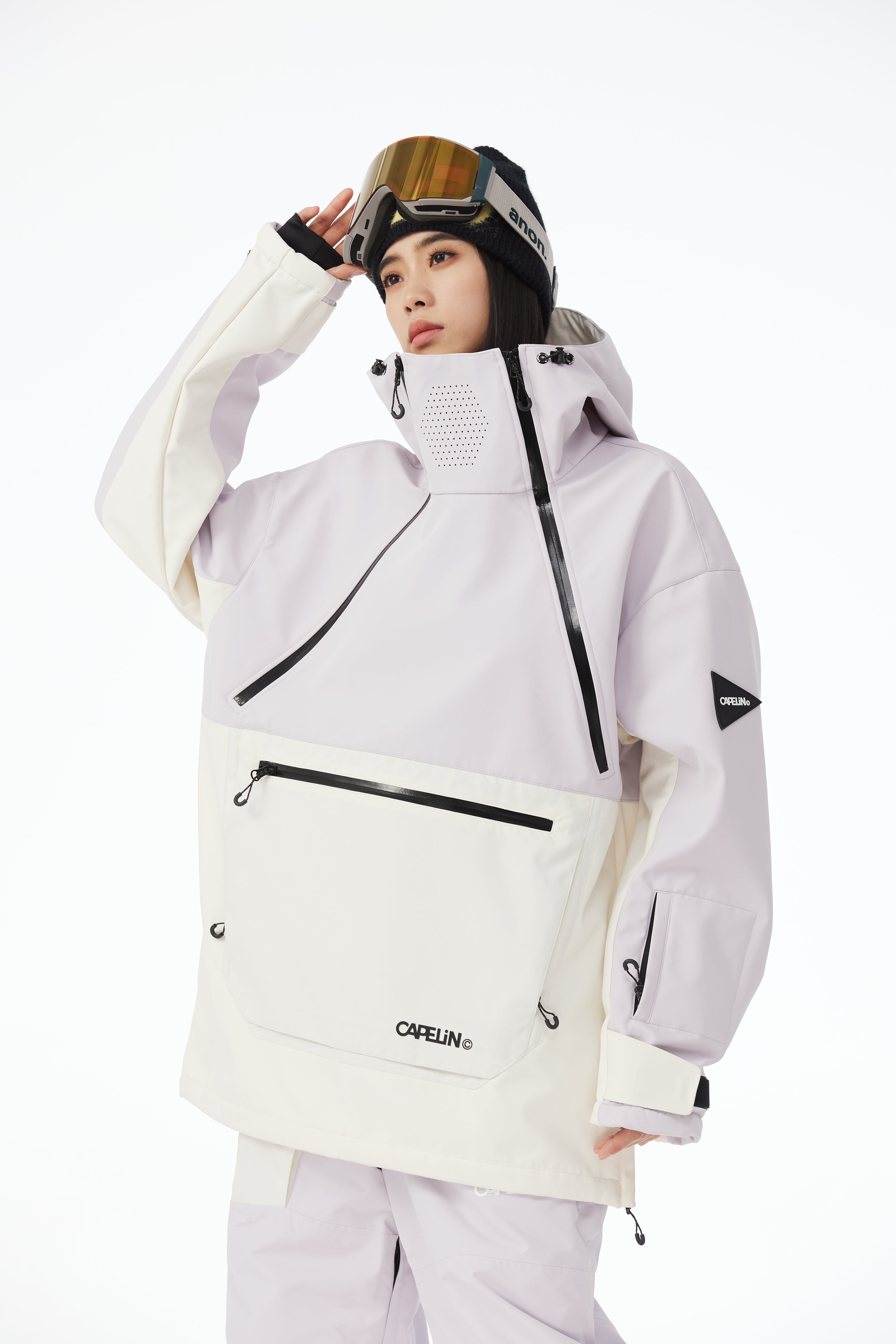
Skiing is a very exciting winter sport, but many first-time skiers encounter the same question: how many layers should I wear?
Many beginners believe that the more layers you wear, the better, but this isn't the case. Wearing too many layers will cause you to sweat easily while skiing, and the sweat drying in the cold wind will actually make you feel colder. Conversely, wearing too few layers will lead to rapid hypothermia in cold or windy weather.
In fact, the most important principle of skiing clothing is not simply adding more layers, but rather adjusting your clothing flexibly according to different weather conditions. Temperature, wind speed, snowfall, and sunlight intensity all affect how the body feels, so skiers need to choose appropriate clothing combinations based on these factors.
In this article, we will detail the basic principles of skiing clothing and how to adjust your clothing in different weather conditions to help you stay warm, dry, and comfortable on the slopes.
🔽 Quick Navigation
- 📌 The Basic Principle of Skiing Clothing: The Three-Layer System
- 📌 Warm Weather Skiing Clothing Recommendations (0° to 5°C)
- 📌 Typical Winter Weather Clothing Recommendations (-5°C to 0°C)
- 📌 Skiing Clothing Recommendations in Cold Weather (Below -10°C)
- 📌 Clothing Considerations in Windy Weather
- 📌 Ski Clothing Recommendations for Snowy Weather
- 📌 Easily Overlooked Warmth Details
- 📌 Common Ski Clothing Mistakes for Beginners
- 🧭 Summary
- ❓FAQ
The Basic Principle of Skiing Clothing: The Three-Layer System
Regardless of the weather, most skiers follow a classic clothing principlethe three-layer system. This layering method keeps the body warm while allowing for flexible adjustments to clothing based on weather changes.

The first layer: The moisture-wicking layer (Base Layer)
This is the layer closest to the skin, and its main function is to quickly wick away sweat, keeping the skin dry.
Skiing is a high-intensity activity. During gliding, turning, and speed control, the body continuously generates heat. If sweat cannot be wicked away quickly, it will accumulate in the clothing. When you stop to rest or ride a chairlift, this moisture will rapidly draw away body heat, making you feel very cold.
Therefore, choosing a suitable moisture-wicking layer is crucial.
Recommended materials include:
- •Merino wool, which is both warm and breathable
- •Synthetic fiber fabrics, such as polyester and other quick-drying materials.
Pure cotton clothing should be avoided. While cotton clothing is comfortable, it is highly absorbent and dries slowly. Once soaked with sweat, it remains damp for a long time, significantly increasing the risk of hypothermia.
Second Layer: Mid-Layer
The mid-layer's function is to lock in body heat and provide additional insulation.
The thickness of this layer can be adjusted according to the day's temperature. In warmer weather, a thinner fleece jacket can be chosen; in colder weather, a lightweight down jacket or synthetic thermal overcoat can be added.
Common mid-layers include:
-
•Fleece jacket
-
•Lightweight down jacket
-
•Synthetic cotton thermal overcoat
It's important to note that a thicker mid-layer isn't always better. Excessive clothing can restrict movement and lead to excessive sweating during exercise. Therefore, it's best to choose clothing that is both warm and lightweight, ensuring comfort without hindering skiing movements.
Third Layer: Outer Layer
The outer layer is primarily responsible for protecting against external environmental factors such as cold winds, snowfall, and moisture.
Ski clothing typically needs to have the following characteristics:
-
•Windproof
-
•Waterproof
- •Breathable
A good ski jacket effectively blocks cold wind while allowing body heat and moisture to escape, preventing dampness inside.
In addition, ski pants are equally important. Good ski pants not only prevent snow from getting into the clothing but also provide some protection in case of a fall.
Warm Weather Skiing Clothing Recommendations (0° to 5°C)
In spring skiing or sunny weather, temperatures may approach or even exceed 0°C. In such cases, overdressing can actually be problematic.
Skiing is a physically demanding sport; the body continuously generates heat during gliding and turning. Wearing too many layers can easily lead to excessive sweating.
In this weather, choose a lightweight layer:
-
•Lightweight, moisture-wicking inner layer
-
•Thin fleece or no mid-layer
- •A breathable ski jacket
In addition, some ski suits have underarm or leg ventilation zippers that can be opened during skiing to allow excess heat to escape.
Overall, the principle for dressing in this weather is: stay lightweight and avoid overheating.
Typical Winter Weather Clothing Recommendations (-5°C to 0°C)
This is the most common temperature range at many ski resorts and is also the most comfortable temperature for most skiers.
In this situation, the classic three-layer clothing approach is usually sufficient. For example:
-
•Moisture-wicking inner layer
-
•Fleece insulation layer
- •Waterproof ski jacket and ski pants
This combination provides sufficient warmth without making the body too stuffy.
At the same time, remember to wear some basic accessories, such as:
-
•Ski gloves
-
•Helmet
- •Neck warmer or scarf
These small pieces of equipment can effectively reduce heat loss and make the entire skiing experience more comfortable.
Skiing Clothing Recommendations in Cold Weather (Below -10°C)

When temperatures drop to -10°C or lower, skiing conditions become significantly colder. Preventing heat loss becomes especially important.
At these temperatures, you can add warmth on top of layering, for example:
-
•A thicker, moisture-wicking inner layer
-
•A fleece jacket + a lightweight down jacket
- •A windproof ski jacket
At the same time, special attention should be paid to protecting areas of the body that are prone to heat loss.
For example:
-
•Use warmer ski gloves or mittens
-
•Wear a face mask or balaclava
- •Choose thicker ski socks
In low temperatures, wind chill can further reduce the perceived temperature, making comprehensive warmth essential.
Clothing Considerations in Windy Weather
Sometimes, even if the air temperature isn't particularly low, strong winds can significantly lower the perceived temperature.
When strong winds blow across the body, they continuously draw heat away from the body's surface; this phenomenon is called wind chill.
In such weather conditions, the windproof performance of outer clothing becomes crucial.
Recommended choices:
-
•A high-windproof ski jacket
-
•A high-neck design or neck warmer
- •Ski goggles
Goggles not only protect the eyes from wind and snow but also improve visibility while skiing.
Ski Clothing Recommendations for Snowy Weather
In snowy or blizzard weather, the most important issue is waterproofing.
If clothing is not waterproof enough, melting snow will seep into the fabric, leaving the body damp. Prolonged exposure to dampness not only causes cold but can also increase the risk of hypothermia.
Therefore, in snowy weather, we recommend choosing:
-
•A high-water-resistance ski jacket
-
•Waterproof ski pants
- •Waterproof ski gloves
Some high-quality ski suits also feature seamed seams, which effectively prevent moisture from entering through the seams.
Easily Overlooked Warmth Details
Besides the main layers of clothing, some small details also affect warmth while skiing.
For example: Head warmth
The body loses heat through the head, so wearing a helmet or ski hat can help maintain body temperature. Ski Socks: It's recommended to wear only one pair of high-quality ski socks, rather than layering multiple socks. Too many socks can compress your feet, affect blood circulation, and make your feet colder.
Neck and Face Protection: In cold or windy weather, a simple neck warmer or face mask can significantly improve comfort.
Common Ski Clothing Mistakes for Beginners
Many first-time skiers make some simple clothing mistakes.
For example:
-
•Wearing jeans to ski
-
•Wearing pure cotton underwear
-
•Wearing too many layers leading to excessive sweating
- •Ignoring windproof and waterproof properties
These problems can affect the skiing experience and may even lead to being too cold or too hot.

Summary
The key to ski clothingis not simply wearing as many layers as possible, but rather adjusting your clothing combination according to weather conditions.
An ideal ski outfit typically includes:
-
•A moisture-wicking layer: Keeps the body dry
-
•An insulating layer: Locks in body heat
- •A protective layer: Protects against wind, snow, and moisture
When you learn to adjust your clothing flexibly according to temperature, wind, and snowfall, you can stay comfortable in all weather conditions and focus more on enjoying skiing.
FAQ
Can I wear a down jacket while skiing?
Yes, but it depends on the weather and intensity of your activity. Down jackets offer excellent warmth, but their breathability is generally not as good as fleece or synthetic insulation. Wearing a thick down jacket in warmer or more strenuous conditions may lead to excessive sweating, reducing its effectiveness. Generally, lightweight down jackets are better suited as a layer of warmth in colder weather.
Do I need to bring spare clothing for skiing?
If you plan to ski all day, bringing a spare set of clothing is a good idea. Your clothes may get wet from sweat or snow while skiing, and changing into dry clothes after a break or when you finish skiing will make you more comfortable and reduce the risk of catching a cold. Spare socks and inner layers are especially useful.
Is a face shield or mask necessary while skiing?
A face shield or mask is very useful in cold or windy conditions. It not only protects your facial skin from the cold wind but also reduces heat loss from your face. Many skiers choose to wear a neck gaiter or balaclava, as these are lightweight and easy to adjust to the weather.
How many pairs of ski gloves should you bring?
Usually, two pairs of ski gloves are ideal. If one pair gets wet from snow while skiing, you can change into a dry pair during a rest stop. Keeping your hands dry is very important because if your hands get cold, your whole body will feel colder.