🔽 Quick Navigation
- 📌 Understanding the Basics of Ski Clothing
- 📌 The Three-Layer System Under Ski Clothing
- 📌 What to Wear Under Ski Pants
- 📌 What to Wear Under a Ski Jacket
- 📌 Socks and Undergarments That Matter
- 📌 How to Dress Under Ski Clothes for Different Conditions
- 📌 Common Mistakes When Choosing What to Wear Under Ski Clothes
- 🧭 Conclusion: What Should You Wear Under Ski Clothes?
- ❓FAQ
Understanding the Basics of Ski Clothing
Many people, when skiing or snowboarding, focus all their attention on the ski jacket and pants, thinking that as long as the outer layer is waterproof, windproof, and thick enough, it can handle the cold mountain environment. However, what truly determines whether you stay warm, dry, and comfortable is often what you wear underneath your ski clothing.
Why What You Wear Under Your Ski Clothing Is More Important
Skiing is a high-intensity outdoor sport. No matter how low the temperature is, your body continuously generates heat and sweat while gliding, turning, or climbing. If your base layers are not chosen properly, sweat cannot escape, remaining on your skin. When you stop for a break or ride a chairlift, the trapped moisture quickly cools down, making you feel colder and even increasing the risk of hypothermia.

In contrast, a well-planned base layer system effectively manages moisture, regulates body temperature, and maintains comfort throughout different skiing intensities. That’s why professional skiers and snowboarders pay so much attention to what’s worn underneath. Even the best-performance ski jacket cannot compensate if your base layer is wrong—for example, wearing cotton or overly thick, non-breathable clothing can ruin the overall experience.
Introduction to the Three-Layer System
To balance warmth, moisture management, and mobility, the skiing and snowboarding world widely adopts the Three-Layer System. This system is not about wearing more layers; it’s about combining layers with different functions to keep your body dry and warm in cold conditions.

-
• Layer 1: Base Layer – Close-fitting thermal underwear designed to wick sweat and keep skin dry. High-quality base layers are usually made from Merino wool or synthetic fabrics, which draw moisture away from the skin during activity.
-
• Layer 2: Mid Layer – Provides insulation and temperature regulation. Depending on weather and activity intensity, this layer can be fleece, lightweight down, or synthetic insulation. In very cold conditions or low-intensity activity, this layer is crucial; in spring skiing or high-intensity snowboarding, it can sometimes be skipped.
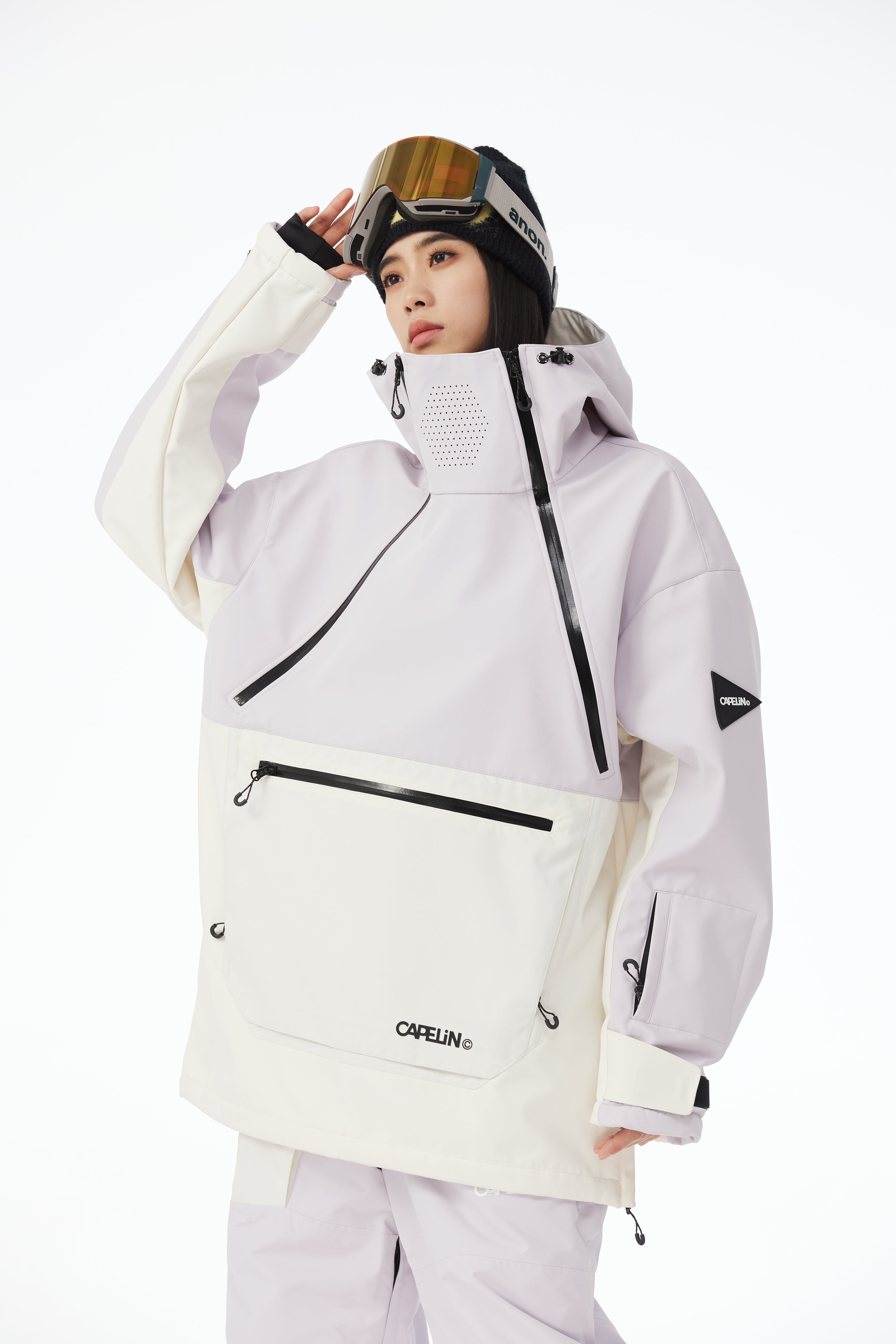
- • Layer 3: Outer Layer – Ski jacket and pants designed to block wind, water, and external elements. The outer layer doesn’t provide direct sweat management or close-contact warmth but protects the inner layers, allowing them to function effectively.
Understanding and using the three-layer system allows you to adjust your clothing combination based on weather, snow conditions, and skiing style, rather than relying on a single bulky ski suit to endure the cold.
The Three-Layer System Under Ski Clothing
In skiing and snowboarding, the Three-Layer System is not a rigid formula. It’s a flexible logic that can be adjusted according to weather, activity intensity, and personal comfort. Understanding the function of each layer ensures warmth without sweat buildup.
Base Layer – Moisture Management Comes First

The base layer, also called thermal underwear, is the layer closest to your skin. Many beginners mistakenly think its main function is “keeping warm,” but its primary role is moisture-wicking and keeping dry.
During skiing, your body sweats continuously. If sweat stays on the skin, it quickly cools down in low temperatures, making you feel cold during breaks or on the chairlift. A high-quality base layer moves sweat away from the skin, reducing the chill and helping maintain stable body temperature.
Material Options: Merino Wool vs Synthetic Fabrics
-
•Merino Wool: Naturally warm, odor-resistant, and retains heat even when slightly damp. Excellent for long skiing sessions or very cold environments.
-
•Synthetic Fabrics: Lightweight, durable, wicks sweat quickly, and dries fast. Suitable for high-intensity snowboarding or performance-focused skiers.
Fit Tip: The base layer should be snug but not tight. It must sit close to the body for effective moisture-wicking without restricting circulation or mobility.
Mid Layer – Insulation and Temperature Control
The mid layer provides warmth and temperature regulation. Its use depends on temperature, wind, and activity intensity.
-
•Fleece: Lightweight, breathable, suitable for most skiing conditions.
-
•Lightweight Down: Extremely warm, ideal for cold conditions or low-activity periods.
- •Synthetic Insulation: Retains warmth even in damp conditions, good for variable snow environments.
Choosing the Mid Layer: Don’t assume thicker is always warmer. Select a layer that keeps you warm while allowing sweat to escape.

When You Don’t Need a Mid Layer
In spring skiing, warm days, or high-intensity snowboarding, your body generates enough heat that a mid layer may be unnecessary. Wearing too much insulation in these conditions can cause overheating and excessive sweat.
A simple guideline: if you feel slightly cool at the start of your session, that’s ideal. Your body will naturally warm up with activity, reducing sweat accumulation and keeping you dry and comfortable.
What to Wear Under Ski Pants
Legwear often gets less attention but greatly affects warmth, mobility, and comfort during long sessions. Your legs are constantly bending and pushing while skiing. Improper inner layers can feel bulky and hinder movement.
Base Layer Bottoms
The base layer pants sit directly on your skin and are the most important layer inside ski pants. Usually, a single pair of proper base layer pants is enough for regular slopes.
-
•Length: Full-length that reaches the ankle without bunching inside the boots. Too long causes wrinkles and friction; too short leaves gaps that reduce warmth.
-
•Thickness: Choose according to temperature and activity. Light to medium thickness works in standard winter conditions. Thicker options suit cold, windy conditions. Avoid overly thick layers for high-intensity snowboarding.
- •Fleece/Lined Options: Worn only if static time is long or in extremely cold conditions. For active sessions, regular moisture-wicking base layers are better.

Mid Layers Under Ski Pants
In cold environments or low-activity situations, you may need a mid layer between the base layer and ski pants.
-
•Fleece Pants: Lightweight, breathable, and flexible—ideal for maintaining warmth without restricting movement.
- •Insulated Pants: Provide extra insulation for extreme cold or low-activity situations.
Avoid Overly Thick Layers: Too many layers limit leg mobility and reduce ski pants’ breathability.
Clothes to Avoid
-
•Cotton: Absorbs moisture but does not wick, causing rapid chill when wet.
- •Jeans / Everyday Pants: Not designed for insulation or moisture management; they can harden in cold and hinder movement.
Always choose base and mid layers designed for skiing or outdoor sports to maintain warmth, comfort, and safety.

What to Wear Under a Ski Jacket
The ski jacket is the final barrier against wind, snow, and cold, but its effectiveness depends on the layers underneath. Proper base and mid layers provide warmth without sacrificing mobility.
Thermal Tops and Mid Layers
Inside the jacket, typically you wear a base layer top and optionally a mid layer.
-
•Zip-Neck: Adjustable for ventilation and sweat management; ideal for high-intensity activity.
- •Pullover: Simpler design with concentrated warmth; less versatile in variable conditions.
Balance Breathability and Warmth: Materials should wick sweat and retain heat, avoiding moisture buildup. High-quality merino wool or synthetic fabrics perform best.
Socks and Undergarments That Matter
Ski Socks – Warmth Without Bulk
-
•Not necessarily thickest = warmest.
- •High-performance ski socks are designed for warmth, breathability, and fit without bulk, reducing friction, blisters, and fatigue.
Why Not Cotton Socks: Cotton absorbs moisture but does not wick, making feet cold and uncomfortable. Ski-specific socks feature thickened soles, elasticity, and moisture-wicking properties.

Underwear Tips for Long Days
-
•Comfort: Should fit snugly without restricting movement.
-
•Anti-Friction: Choose seamless or flat-seam designs for high-friction areas like inner thighs and underarms.
- •Using ski-specific base layers and socks improves comfort and durability during long sessions or training.
How to Dress Under Ski Clothes for Different Conditions
-
•Warm Weather: Base layer + light jacket
-
•Cold Weather: Base layer + mid layer + jacket; consider fleece or light insulation
- •Extremely Cold Weather: Base layer + thick mid layer (fleece or lightweight down) + jacket, plus hat, neck gaiter, and warm socks
Proper layering ensures warmth, dryness, and comfort without overheating.

Common Mistakes When Choosing What to Wear Under Ski Clothes
-
•Wearing too many layers
-
•Cotton base layers
- •Non-breathable stacking
Avoid these mistakes and follow the principle: base layer wicks, mid layer insulates, outer layer protects.
Conclusion: What Should You Wear Under Ski Clothes?
The true performance of ski clothing depends on your base and mid layers, not jacket thickness.
-
•Base Layer: Moisture-wicking, close-fitting
-
•Mid Layer: Insulating, flexible according to weather/activity
- •Outer Layer: Windproof, waterproof, protective
With proper ski socks and undergarments, you can stay warm, dry, and mobile for long periods, whether snowboarding at high intensity or enjoying cold mountain conditions.
FAQ
Q1: How many layers should I wear under ski clothes?
A1: The recommended three-layer system: base layer (moisture-wicking), mid layer (insulation), and outer layer (wind/waterproof). In warm weather or high-intensity activity, you can skip the mid layer.
Q2: Can I wear jeans or cotton pants under ski pants?
A2: Not recommended. Jeans and cotton absorb moisture but don’t wick, causing cold legs and reduced mobility. Use specialized base layers or fleece/insulated pants instead.
Q3: Should base layer pants be lined or fleece?
A3: Fleece or lined base layers are good for cold or low-activity conditions. For high-intensity snowboarding or spring skiing, lightweight, breathable base layers are more comfortable.
Q4: Should I choose a zip-neck or pullover top under my ski jacket?
A4: Zip-neck allows ventilation and sweat management; pullover is warmer but less versatile. Choose based on weather, activity intensity, and personal preference.
Q5: Why not wear regular cotton socks?
A5: Cotton absorbs moisture and doesn’t wick, causing cold, wet feet. Ski socks are breathable, moisture-wicking, and padded for comfort and warmth.
Q6: How can I prevent chafing from ski underwear?
A6: Choose close-fitting, seamless, or flat-seam base layers, especially in high-friction areas like inner thighs and underarms.
Q7: How should I layer for different weather conditions?
A7:
- Warm: base + light jacket
- Cold: base + mid + jacket
- Extremely cold: base + thick mid + jacket, add hat, neck gaiter, warm socks
Q8: Common beginner mistakes in ski layering?
A8: Wearing too many layers, stacking non-breathable clothing, or wearing cotton base layers. Follow the three-layer principle.
Q9: When can I skip the mid layer?
A9: In spring skiing or high-intensity snowboarding, your body generates enough heat; skip the mid layer to avoid overheating.
Q10: What should I prioritize when choosing layers?
A10: Moisture-wicking, warmth, mobility. Base layer wicks, mid layer insulates, outer layer protects, socks and undergarments also matter.