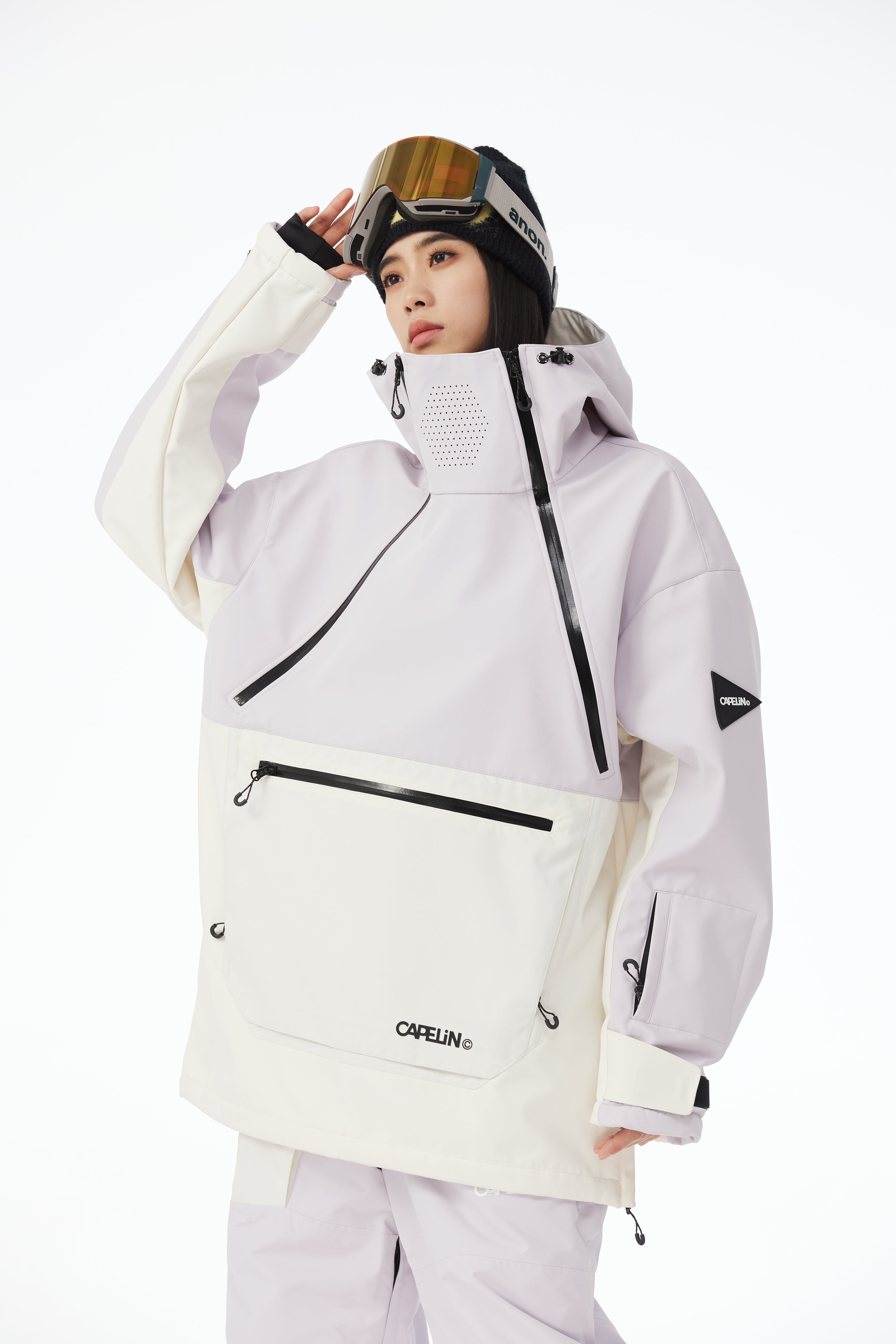
Before the snow season arrives, choosing a snowboard bib that suits you is one of the key pieces of gear for many riders looking to improve their riding experience. Unlike regular snow pants, bibs offer unique advantages in functionality, protection, and comfort, making them especially suitable for powder riding, backcountry snowboarding, or long training sessions.
🔽 Quick Navigation
- 📌 What Is a Snowboarding Bib?
- 📌 Snow Pants vs. Snowboarding Bibs
- 📌 Advantages of Snowboarding Bibs
- 📌 Disadvantages of Snowboarding Bibs
- 📌 How to Choose the Right Snowboarding Bib
- 📌 Why More Riders Are Choosing Bibs
- 📌 Snowboarding Bibs Aren’t for Everyone
- 📌 Common Buying Mistakes
- 📌 Real Rider Experiences
- 🧭 Summary
- ❓ FAQ
What Is a Snowboarding Bib?
A snowboarding bib is based on traditional snow pants but adds a high-waisted structure that extends to cover the chest and abdomen, secured with adjustable shoulder straps. This design was originally created to handle deep snow and harsh weather conditions, and today it has become increasingly popular among a wide range of riders.
What’s the Difference Between Snow Pants and Bibs?

Both snow pants and snowboarding bibs provide warmth, moisture protection, and coverage, whether you’re riding groomers, parks, or powder. However, there are some key differences.
The main difference is coverage. Snow pants only cover the legs and are secured at the waist and hips. Snowboarding bibs, on the other hand, function more like a one-piece garment, extending upward to cover the upper body.
To stay in place, bibs use adjustable shoulder straps that go over the shoulders. Regular snow pants do not have straps and are typically fastened with buttons and zippers at the waist. That said, both options are available in waterproof and breathable fabrics (with varying performance levels), and you can choose between shell constructions or insulated versions depending on your needs.
Advantages of Snowboarding Bibs
Compared with standard snow pants, snowboarding bibs naturally offer several advantages due to their additional material and strap design. When skiing or snowboarding in a bib, you may notice the following benefits:
Better snow protection: One of the biggest advantages of bibs is their excellent ability to keep snow out. Because bibs are one-piece and extend above the hips, snow is much less likely to enter, especially when you fall or ride in deep powder.
Greater comfort: Thanks to the shoulder strap design, bibs do not rely on belts or tight waistbands, reducing pressure on the hips and waist. They are usually cut looser than regular snow pants, making it easier to layer underneath.
Extra warmth: The additional fabric covering the torso adds insulation, and the absence of gaps around the waist prevents cold air from entering during movement.
Improved freedom of movement: Bibs are often praised for the mobility they provide. With less restriction at the waist and straps preventing the pants from slipping down, riders can perform tricks and movements with better flexibility and comfort.
More pockets: More fabric means more storage options. Snowboarding bibs often feature additional pockets, including chest pockets that are sometimes easier to access than thigh pockets.
Disadvantages of Snowboarding Bibs
While snowboarding bibs are a convenient choice for skiing and snowboarding, they do have some drawbacks and may not suit everyone. Consider the following points before choosing a bib:More complicated to take off: Bibs can be inconvenient during bathroom breaks or rest stops. You usually need to remove your outer layers and undo the straps. If this sounds troublesome, look for bibs with side zippers or drop-seat designs that allow easier access.
Feels unusual at first: Some people find bibs feel strange during the first few wears. Without a waistband holding them at the hips, they may feel like they could slip down—even though the shoulder straps keep them secure. Most riders adapt to this sensation over time.
Can feel too warm: If you tend to overheat easily, the extra upper-body fabric may feel uncomfortable, especially in warmer weather. To avoid overheating, you can skip a bulky jacket or choose a bib made from more breathable, less insulated materials.
Higher price: Because bibs use more fabric and involve more complex construction, they are often more expensive than regular snow pants. That said, many riders feel the added comfort and protection justify the cost.
How to Choose the Right Snowboarding Bib

Choosing the right bib isn’t about buying the most expensive option—it should match your riding level, environment, and activity style
• Waterproofing and breathability
Bibs are usually rated by waterproofing (mm / water column) and breathability (g/m²/24h). Higher numbers indicate stronger performance. A minimum of 20,000 mm waterproofing with moderate breathability is recommended for all-weather riding.
• Functional features
– Ventilation zippers for temperature control
– Boot gaiters to keep snow out of your boots
– Adjustable shoulder straps for a better fit
•Fit and layering space
There should be enough room inside the bib for mid-layers such as fleece or down, without being overly baggy or bulky. Trying the bib on or carefully checking the size chart with your typical layering system is strongly recommended.
Why Are More Riders Choosing Snowboarding Bibs?
One very practical reason: riders are spending more time on the mountain, and comfort matters more than ever.
If you only ride occasionally, regular snow pants are usually enough. But if you:
•Spend full days on the mountain
•Sit on the snow frequently to adjust bindings
•Ride powder or ungroomed terrain
You’ll clearly feel the difference a snowboarding bib makes—not because it “looks more professional,” but because your body stays drier, more stable, and requires less constant adjustment.
Snowboarding Bibs Aren’t for Everyone
A realistic conclusion is that snowboarding bibs are great—but not everyone needs them.
If you mainly ride in spring conditions, prefer warmer temperatures, or value lightweight, minimalist setups, regular snow pants may be more convenient. Riders who prioritize quick on-and-off efficiency may also find bibs take some getting used to.
That’s why understanding your riding environment and habits is crucial before choosing a snowboarding bib.
Common Buying Mistakes
•Choosing a fit that’s too tight and forgetting about mid-layer space, which restricts movement
•Focusing only on waterproofing while ignoring breathability, leading to overheating during long sessions
•Overlooking ventilation design, such as thigh vents, making temperature regulation difficult
A good snowboarding bib doesn’t just feel “right” when standing—it should still feel unrestricted when you squat, bend over, or sit on the snow.
Real Rider Experiences with Snowboarding Bibs
Many of the true benefits of snowboarding bibs only become clear after riding in them a few times.
The first noticeable feeling isn’t necessarily extra warmth, but a greater sense of stability around the waist and lower back. When sitting on the snow to adjust bindings or waiting at the side of the run, you don’t need to constantly pull at your clothing or brush off snow. These small comforts add up significantly by the end of the day.
After several hours of riding, the advantages become even more obvious:
•The pants stay in place
•Inner layers remain relatively dry
•Less time spent adjusting gear
These details don’t show up clearly on spec sheets, but they have a real impact on your riding experience.
Summary
A snowboarding bib is not simply a “more advanced” version of snow pants—it’s gear designed for longer riding days, complex snow conditions, and frequent movement. If your snowboarding has shifted from an occasional experience to a regular habit, a well-fitting snowboarding bib may very well become your go-to companion every season.
FAQ
How to wear a snowboard bib?
When wearing a snowboard bib, start with your thermal base layers, pull the bib into place and adjust the shoulder straps, then wear your jacket over it. Make sure the pant cuffs cover your snowboard boots properly.
How should a snowboarding bib fit?
A proper fit means it feels comfortable when standing, doesn’t restrict you when squatting, doesn’t expose your lower back when bending over, the straps stay secure without digging into your shoulders, and the cuffs cover your boots without dragging on the ground.
Which is better for snowboarding: bibs or regular pants?
Snowboarding bibs are generally better, especially in cold weather or powder conditions, as they keep snow out, protect the lower back, and don’t slip down while riding. Regular snow pants are lighter and easier to put on and take off, making them suitable for warmer weather or park and spring riding.