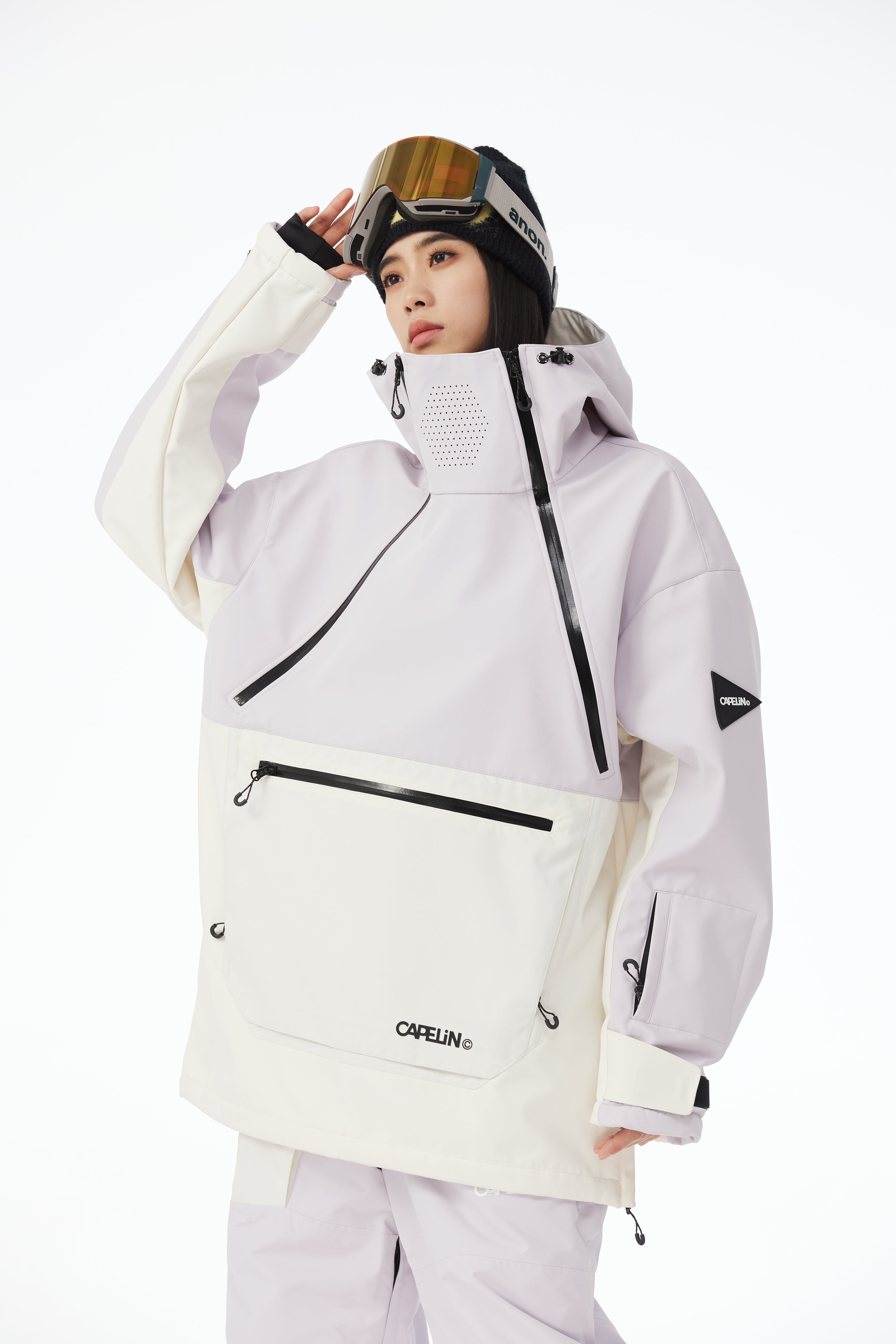
Whether you're out hiking, running, or just walking to work in the summer, sunburn, skin aging, and sun-related irritation are things a lot of people try to manage with a bottle of sunscreen alone. The problem is sunscreen wears off with sweat and needs constant reapplication — while UV Protection Jackets work as a wearable physical barrier that doesn't have that weakness. This article breaks down the technical details that actually determine whether a UV Protection Jackets is worth wearing: fabric construction, UPF ratings, breathability engineering, and structural design.
🔽 Quick Navigation
- 📌 Sun Protection Without the Sweat: How Anti-UV Jackets Balance Shade, Coverage, and Comfort
- 📌 Core UV-Blocking Fabric: How Fiber Structure Actually Stops Ultraviolet Rays
- 📌 Breaking Down UPF Ratings: What the 50+ Standard Actually Means for Serious Outdoor Protection
- 📌 Lightweight, Breathable Engineering: How UV Protection Jackets Solve the Overheating Problem
- 📌 Structural Design: How Brims, Cuffs, and Coverage Area Boost Real-World Sun Protection
- 📌 How Fabric Technology and Use Case Shape Buying Decisions for International Shoppers
- ❓FAQ
Sun Protection Without the Sweat: How Anti-UV Jackets Balance Shade, Coverage, and Comfort

Most people's first assumption about a UV Protection Jackets is that it must run hot — after all, more coverage usually means less airflow. But that's a trade-off that fabric engineering can largely solve; it isn't an inevitable compromise.
In a properly engineered UV Protection Jackets, protection comes from the structure of the yarn itself rather than from thick, layered fabric trying to physically "block" the sun — which frees up real design space for breathability. Capelin Crew's anti-UV jacket collection is a useful reference point here: most pieces in the line weigh in around 150 grams while still carrying a high sun-protection rating, which suggests coverage and comfort don't have to be mutually exclusive — it comes down to how much real engineering went into the fabric and construction.
Core UV-Blocking Fabric: How Fiber Structure Actually Stops Ultraviolet Rays

UV-blocking fabrics generally fall into two categories. One applies a surface-level "sun protection coating" or after-treatment to ordinary fabric — a method that fades with wear and washing. The other builds UV-blocking properties directly into the yarn during the spinning process itself, which gives more durable protection that doesn't depend on any after-treatment.
The second approach is often called "inherent UV-blocking yarn" — the sun protection is engineered into the physical structure of the fiber rather than applied on top of it afterward. Product listings for this kind of fabric usually flag the distinction explicitly, since inherently UV-blocking yarn tends to have finer fiber density and lower light transmission, and the protection holds up better after repeated washing compared to surface-treated alternatives. When a product page clearly distinguishes between "inherent UV-blocking yarn" and "UV-treated finish," that's usually a reliable signal for how durable the protection will actually be over time.
Breaking Down UPF Ratings: What the 50+ Standard Actually Means for Serious Outdoor Protection

UPF (Ultraviolet Protection Factor) is the standardized measurement used to evaluate how much UV radiation a fabric blocks. It works on a similar logic to SPF for sunscreen, but it tests fabric rather than skin, and it covers both UVA and UVB — a broader scope than SPF, which only addresses UVB. The number tells you how much UV radiation actually gets through: a UPF 50 rating means only about 1/50th (roughly 2%) of UV rays penetrate the fabric, for roughly 98% protection. The American Academy of Dermatology's guide to sun-protective clothing classifies UPF 30-49 as "very good" protection and anything 50 and above as "excellent," and recommends checking for a specific UPF number on the label when shopping.
Fabrics rated below UPF 15 aren't considered UV Protection by the standard at all, so it's worth checking the actual number rather than trusting the word "protective" on its own. Most jackets positioned for serious outdoor UV Protection carry a UPF 100+ rating — the Sky Women's Anti-UV Jacket is one example that carries this rating, well above the "excellent" threshold, with a theoretical block rate close to 99%. That level makes sense for high-altitude trips, beach days, or midday exposure when UV intensity peaks. It's worth noting that some ultralight, quick-dry styles are rated UPF 40+ rather than 100+ — a deliberate trade-off between protection level and maximum breathability. These still clear the "excellent" bar comfortably, but they're positioned differently than a flagship UPF 100+ piece, so matching the rating to your actual use case (extended sun exposure vs. everyday commuting shade) is worth thinking through.
Lightweight, Breathable Engineering: How UV Protection Jackets Solve the Overheating Problem

Solving the "sun protection means overheating" trade-off comes down to a handful of concrete fabric and construction choices: reducing fabric weight per square meter for a lighter overall build, adding mesh panels or ventilation holes in high-sweat zones like the underarms and back, and choosing quick-drying synthetic fibers so sweat can evaporate instead of getting trapped between the fabric and skin.
These choices show up clearly in lightweight anti-UV jackets — plenty of everyday styles built for hiking, running, or beach trips keep total weight around 150-160 grams while using mesh paneling and back ventilation. The Shell Unisex UV Protection Packable Jacket takes a different approach for portability — a semi-matte nylon fabric with a cooling-touch print that packs down into its own chest pocket, making it equally useful for commuting and outdoor use. Lightweight construction isn't just about comfort — it directly affects how efficiently your body sheds heat during extended outdoor activity. Heavy fabric traps sweat rather than releasing it, which actually makes the heat feel worse, not better.
Structural Design: How Brims, Cuffs, and Coverage Area Boost Real-World Sun Protection

Fabric determines whether UV rays can penetrate the material itself, but structural design determines whether sunlight can sneak in through the gaps. How well a jacket actually protects you in practice often comes down to whether the hood brim is deep enough, whether the collar stands up high enough to shield the neck, and whether the cuffs cinch tight enough to keep wrists covered — details that are easy to overlook next to a headline UPF number.
Some designs use an adjustable hood brim paired with a high collar specifically to reinforce commonly overlooked exposure points like the neck and head, while others favor a high stand-up collar combined with an adjustable hem and cuffs that leave almost no gap when cinched down. Coverage area and fit matter just as much — a fabric that's too loose stretches during movement and opens up gaps, which actually reduces real-world protection. That's why well-designed UV protective jackets tend to build adjustability into the brim, collar, and cuffs specifically, rather than just relying on an oversized cut to "cover more skin."
How Fabric Technology and Use Case Shape Buying Decisions for International Shoppers
Different outdoor scenarios call for different priorities in a UV Protection Jacket. Long hikes or high-altitude trips call for a high UPF number and protection that holds up over repeated use. Everyday commuting or weekend trips prioritize lightweight, packable, easy-to-style pieces. Beach or water activities need a fabric that dries fast and doesn't lose protection once it's wet.
International shoppers tend to sort themselves into these categories fairly naturally — buyers chasing maximum protection typically gravitate toward flagship UPF 100+ pieces, while buyers who care more about everyday practicality lean toward lightweight, packable styles. Layering is also worth thinking about: breathable, water-repellent cargo pants pair naturally with an anti-UV jacket to extend coverage from the upper body down, and a multi-purpose face cover is a common add-on for buyers who want extra protection from wind, dust, and sun on top of the jacket itself. In the end, the right choice isn't about which single product is "best" — it's about which performance trait actually matches your use case.
❓UV Protection Jackets FAQs: The Sun-Protection Mistakes Outdoor Users Most Often Overlook
Q1: Does the UV protection on a sun jacket fade with repeated washing?
It depends on how the protection was achieved. A surface-level UV-treated finish will genuinely fade with repeated washing. But if the UV-blocking capability comes from the structure of the yarn itself (inherent UV-blocking yarn), the protection holds up much better over time — which is exactly why it's worth checking whether a product uses inherent yarn or a surface treatment.
Q2: Is UPF the same thing as SPF on sunscreen?
No. SPF only measures protection against UVB rays, is tested on skin, and fades over time and with sweat, requiring reapplication. UPF covers both UVA and UVB, is tested on the fabric itself, and won't "wear off" the way sunscreen does as long as the fabric structure isn't stretched or damaged. The two are meant to complement each other, not replace one another.
Q3: Does darker fabric always provide better sun protection than lighter fabric?
Generally, darker color and tighter weave density do correlate with stronger UV blocking, but that's just one factor among several — fiber material and yarn structure usually matter more. A properly rated sun-protective garment will list an actual tested UPF number, which is a far more reliable indicator than judging by color alone.
Q4: Does a looser-fitting sun jacket mean more coverage and better protection?
Not necessarily. Stretched fabric opens up the gaps between fibers, which can actually lower the effective protection rate. An overly loose fit is also more likely to shift during activity, exposing skin that was meant to be covered. A fit that's comfortable but not stretched, with adjustability built into the brim, collar, and cuffs, is generally more reliable than simply sizing up for "more coverage."